
Does my removalist's insurance cover my stuff?
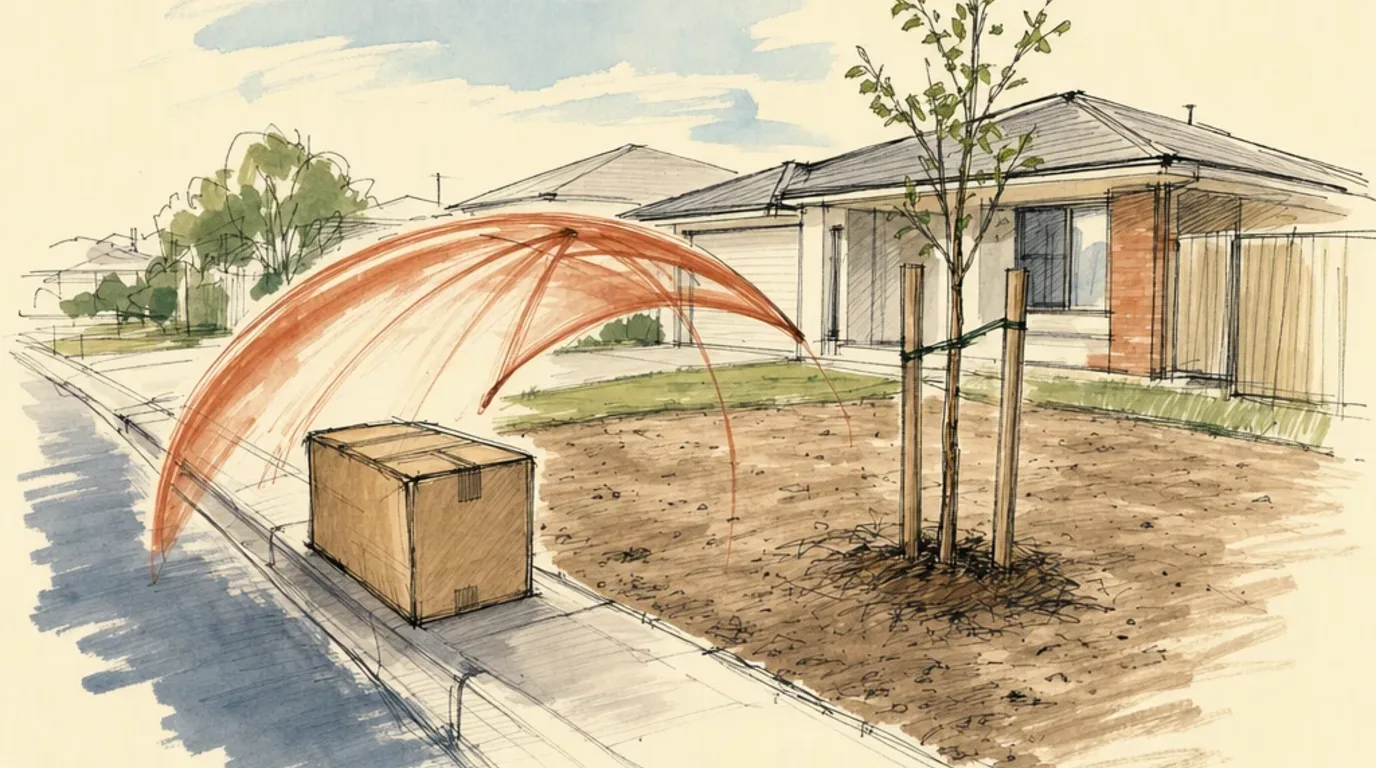
It is the question people only think to ask after something gets a chip in it: if the removalist drops the box, whose insurance pays? Most movers assume the truck comes with cover for everything inside it. It usually does not, and on a brand-new Macarthur build the gap is wider than anywhere else.
The short answer: their insurance protects them, not your couch
Start with the part almost nobody is told. The NSW Government says it directly: removalists are not required by law to provide insurance for your property during a move. Most reputable firms carry vehicle insurance and public liability insurance, but those cover the business, not the contents of your wardrobe.
Public liability is the one people confuse for goods cover. It pays out if the removalist injures someone or damages someone else’s property, the neighbour’s fence, the lift, the building lobby. The Australian Furniture Removers Association is clear that public liability does not cover your goods in transit. That is a separate thing with a separate name.
The thing you actually want is called transit cover
Transit insurance is the product built for exactly this: your household goods while they are being packed, carried and driven, and during any storage in between. AFRA describes it as cover for household goods being moved from one house to another, including during any periods of storage, which matters out here, because new-estate moves so often involve a stint in storage when a builder handover slips.
There is a catch worth knowing. Selling insurance is a regulated financial service, so not every removalist can offer it. AFRA’s test is simple: a qualified removalist must be able to hand you a Product Disclosure Statement (PDS) and a Financial Services Guide (FSG). If they cannot, they are not licensed to sell you insurance, and you are better off arranging your own.
Your other option: your own contents policy
The second route is the one most people already half-have. Your home contents insurance may cover the move, and many policies do, but two things trip up movers into a new build.
- Does it include transit at all? Some contents policies cover your things in the home and nowhere else; others include accidental loss in transit. Read the wording or ask your insurer, do not assume.
- Has the policy actually started? Contents cover generally starts from the day you move in. On an established home that lines up neatly. On a brand-new build it can be the trap: you set the policy to begin on the original handover date, the handover slips a week, and the date no longer matches the day the truck rolls up. Set the start date once the handover is confirmed, not before.
The NSW Government’s own advice, having spelled out that you are not automatically covered, is blunt: it recommends you get your own insurance for your move.
Why a new build raises the stakes
A move into an established Camden or Mount Annan street and a move into a fresh Oran Park or Spring Farm build carry the same furniture but a different risk picture. A brand-new home hands over with bare, soft kerbs, an unlandscaped yard, fresh paint and floors that have never been walked on, and often a half-built house and active tradies next door. That is more surfaces to scuff, both your goods and a property the builder will inspect down to the skirting boards. It is the move where careful handling and clear cover matter most, and the move where people are most likely to be between policies because the keys came late.
None of it is a reason for nerves. It is a reason to have the conversation before the day rather than after. The honest version is the simple one: we are not your insurer, and we will never pretend the truck blankets your belongings in cover it does not. What we do is handle your things as if they were not insured at all, which is the only standard worth having, and tell you plainly what to check.
And if something does get damaged?
Insurance is not the only protection you have. Whoever you hire, you keep your rights under the Australian Consumer Law, which apply on top of any policy: a service has to be carried out with due care and skill. So a claim can run two ways. If your goods were covered by a transit policy, you claim on the policy. If the damage came from careless work, you may have a separate consumer-law remedy regardless of insurance. The two are not mutually exclusive, which is one more reason it pays to use an accountable, properly insured removalist rather than the cheapest van on a marketplace ad.
The practical move on the day is simple: note the condition of anything valuable before it goes on the truck, and check it as it comes off, before you sign anything. A quick photo of the good furniture before the move costs nothing and settles any later question in seconds.
A two-minute checklist before you book
- Ask the removalist what their public liability covers, and whether they are qualified to offer transit insurance (can they give you a PDS and FSG?).
- Decide your cover: their transit policy, or your own contents policy, or both.
- If you are leaning on your contents policy, confirm it includes goods in transit and that it has actually started, especially on a new build where the date can move.
- Read the moving contract for storage costs if a handover is delayed, so a stint in storage does not arrive uninsured and unbudgeted.
Sort the cover and the rest of the move is the easy part. When you are ready, get a no-obligation quote and we will talk through the access, the date and what to check on your policy before the truck arrives.
Common questions
Does a removalist automatically insure my belongings?
No. The NSW Government states plainly that removalists are not required by law to provide insurance for your property during a move. Most carry vehicle and public liability insurance, but that protects the business, not the contents of your boxes. Cover for your goods is a separate arrangement you make.
What is the difference between public liability and transit insurance?
Public liability covers injury or damage the removalist causes to other people or property. It does not cover your own goods in transit. AFRA explains that transit insurance is the separate product designed specifically to cover household goods being moved from one house to another, including during any storage in between.
Can any removalist sell me transit insurance?
No. Selling insurance is a regulated financial service. AFRA advises that a qualified removalist must be able to give you a Product Disclosure Statement (PDS) and a Financial Services Guide (FSG). If they cannot, they are not qualified to sell you insurance, and you should arrange your own cover instead.
Will my home contents insurance cover the move?
Often, but not always, and not automatically on a new build. Contents insurance generally starts from the day you move in and may or may not include items in transit, so read the policy. On a brand-new home, make sure the policy has actually commenced before moving day, and confirm with your insurer whether goods in the truck are covered or only once they are inside.
What should I ask before booking a Macarthur move?
Ask whether the removalist is qualified to provide transit insurance and can give you a PDS and FSG; ask what their public liability covers; and check whether your own contents policy has started and includes goods in transit. The NSW Government recommends getting your own insurance for your move rather than assuming you are covered.
Planning a move?
Get a free, no-obligation quote and we'll plan the access at both ends with you.
Get a quote